

In the modern industrial field, compressed air filtration technology is a key link to ensure smooth production process, stable product quality and environmental protection. Its importance is self-evident.
Among them, flange Stainless Steel Compressed Air Filter stands out among many filtering equipment with its excellent corrosion resistance, high strength, easy installation and maintenance, and is widely used in chemical, pharmaceutical, food and beverage, environmental protection and water treatment industries.
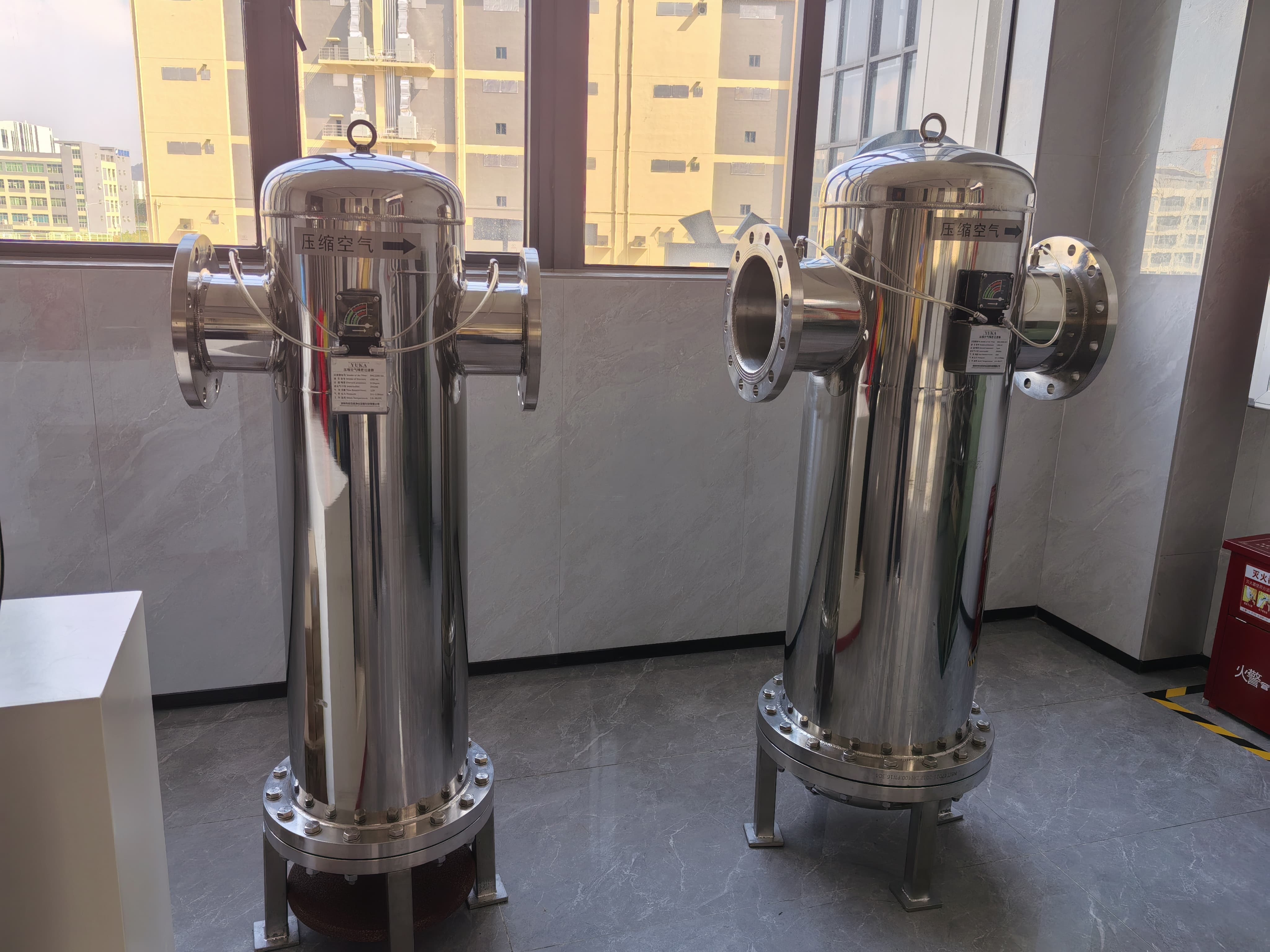
1. Structural characteristics of flange Stainless Steel 304 Air Filter
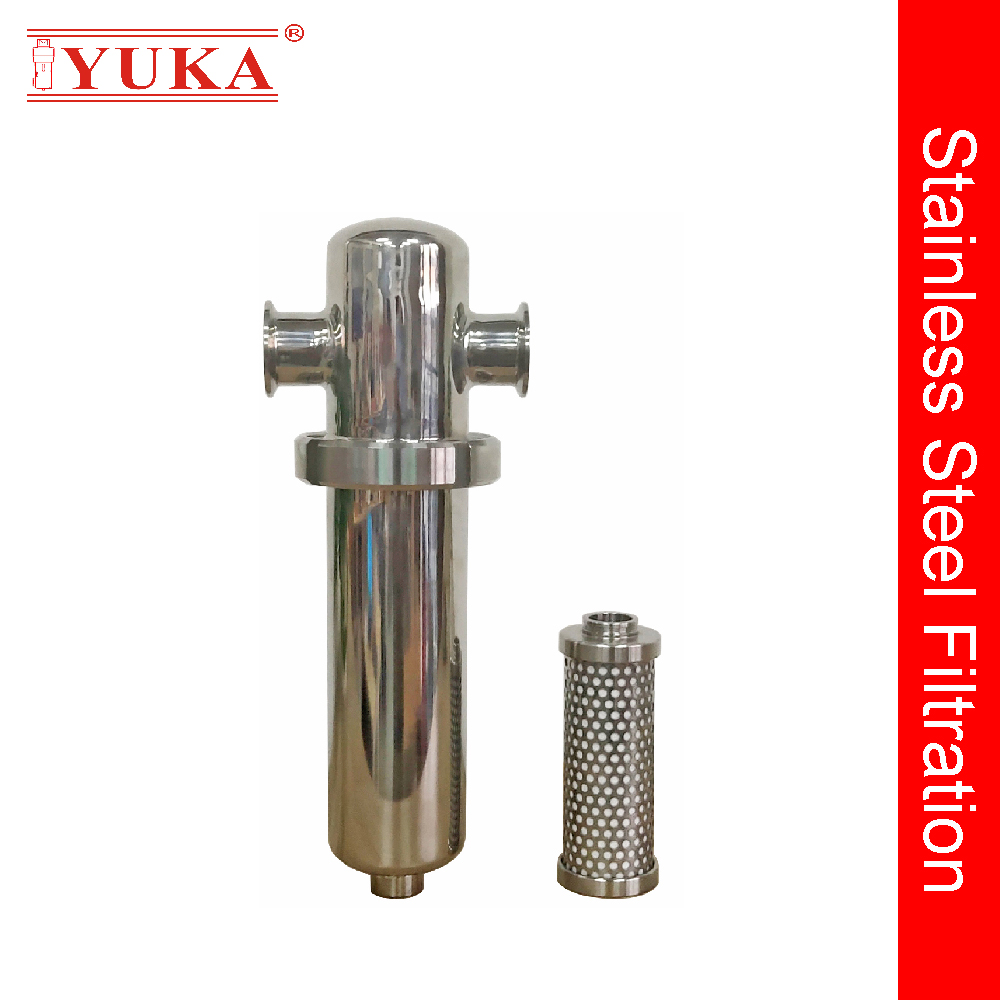
Flange Stainless Steel Air Filter Housing is mainly composed of filter cylinder, filter screen (filter element), flange, seal and connector. The cylinder is made of high-quality stainless steel material (such as 304, 316L, etc.), which has excellent corrosion resistance and can resist the erosion of most acids, alkalis, salts and other chemical substances.
The filter screen is the core component of the filter. Its material, pore size and number of layers vary according to different filtering requirements. Common types include metal mesh, sintered felt, ceramic membrane and other types to achieve filtering effects of different precisions. The design of the flange follows international standards, which is convenient for connection with other pipes or equipment, ensuring good sealing performance and preventing medium leakage.
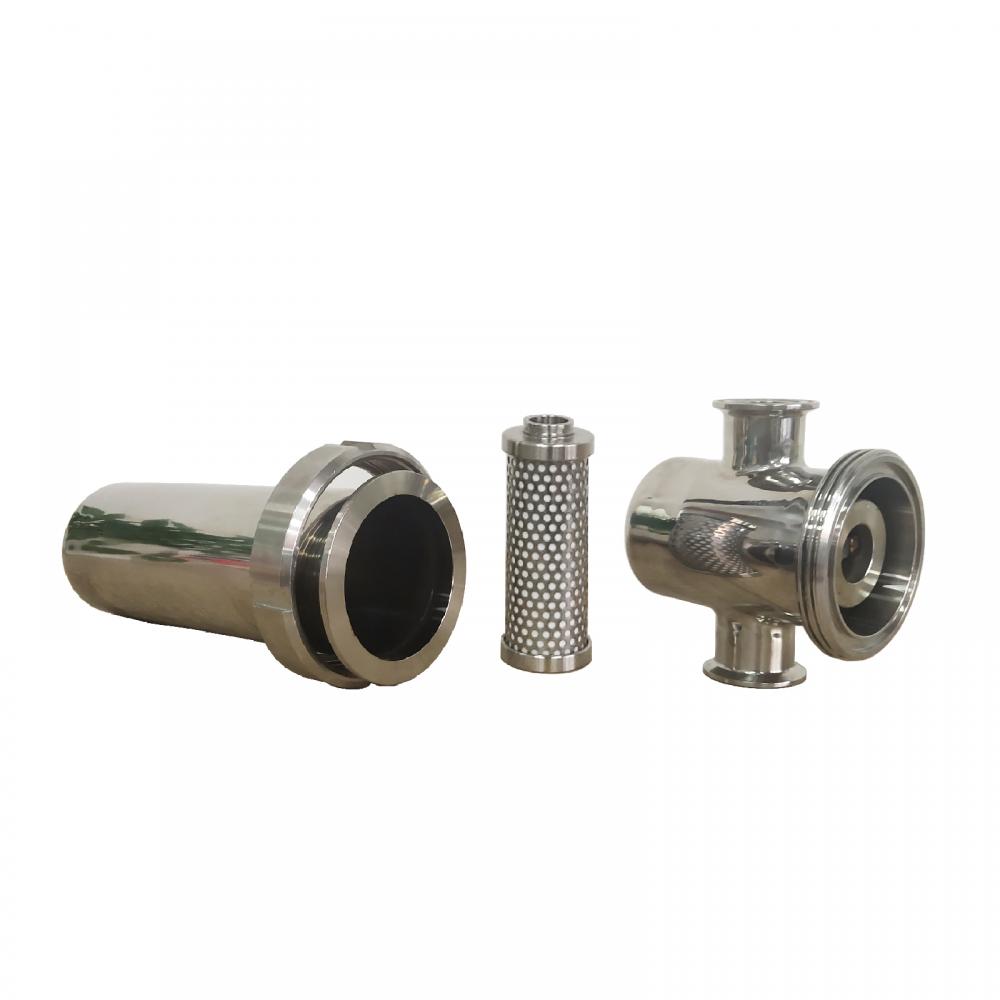
2. Working principle
The working principle of flange stainless steel filter is relatively simple and efficient. When the liquid or gas to be filtered passes through the filter, the solid particles, suspended matter, impurities, etc. are intercepted by the filter net, while the clean medium passes smoothly to achieve the purpose of purification and separation. As the use time increases, a certain amount of impurities will gradually accumulate on the filter net, resulting in a decrease in filtration efficiency. At this time, maintenance is required by backwashing, chemical cleaning or replacement of filter elements to restore the filtration capacity of the filter.
3. Application areas
1. Chemical industry: In the chemical production process, raw materials and products often need to undergo strict filtration treatment to remove impurities and ensure the purity and quality of the product. Flange stainless steel filter has become the first choice for the chemical industry with its excellent corrosion resistance and filtration efficiency.
2. Pharmaceutical industry: The production process of drugs requires extremely high sanitary conditions, and any tiny impurities may affect the safety and effectiveness of drugs. Flange stainless steel filter can effectively remove contaminants such as particles and bacteria in the drug solution to ensure the quality of the drug.
3. Food and beverage industry: In the process of food and beverage processing, filtration is a key step to ensure that the product is clear and transparent and has a pure taste. Flange stainless steel filters not only meet hygiene requirements, but also adjust the filtration accuracy according to product characteristics to retain the nutrients and flavor in food.
4. Environmental protection and water treatment: In the fields of wastewater treatment, seawater desalination, circulating water systems, etc., flange stainless steel filters are widely used to remove suspended matter, particulate matter, microorganisms, etc. in water, protect water resources, and promote sustainable development.
IV. Maintenance
To ensure the long-term stable operation of flange stainless steel filters, regular maintenance is essential. Here are some basic maintenance suggestions:
1. Regular inspection: Regularly check the use of the filter, including the blockage of the filter, the integrity of the seal, and the tightness of the connector.
2. Cleaning and replacement: According to the characteristics and use of the filter medium, clean the filter regularly to remove accumulated impurities. When the filter is damaged or the filtration efficiency is significantly reduced, a new filter should be replaced in time.
3. Anti-corrosion treatment: Although stainless steel itself has good corrosion resistance, appropriate anti-corrosion measures are still required under extreme or special working conditions to extend the service life of the equipment.
4. Record management: Establish a complete equipment operation and maintenance record, including the time, reason and effect of cleaning and replacing the filter element, to provide a basis for subsequent maintenance management.