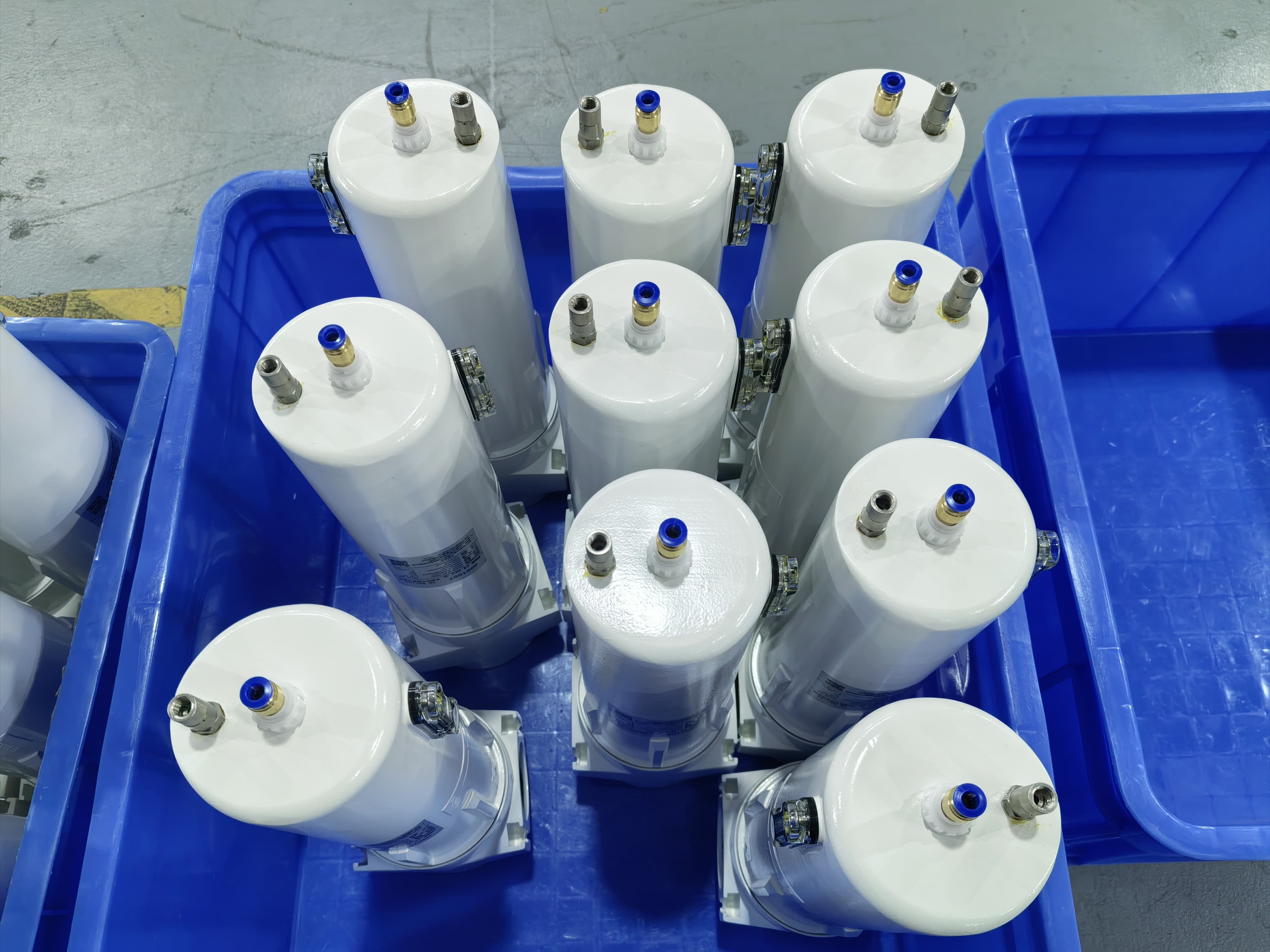
In compressed air systems, pollution can cause serious problems. Air can be compressed, and pollutant particles are also sucked in during compression. The number of pollutants in a 0.8MPa system is increased by 8 times, which will damage the product.
Pollutants include pipeline dust, wear particles, etc., which are divided into three categories: large dust (>10μm), fine dust (10 - 1μm), and the finest dust (<1μm).
Large dust and impurities are easy to remove, but it is difficult to remove 0.3 - 5μm dust particles, which need to be filtered in the system. The purpose of filtering is to reduce pollution, but the Coalescing Air Filter may also be a source of pollution.
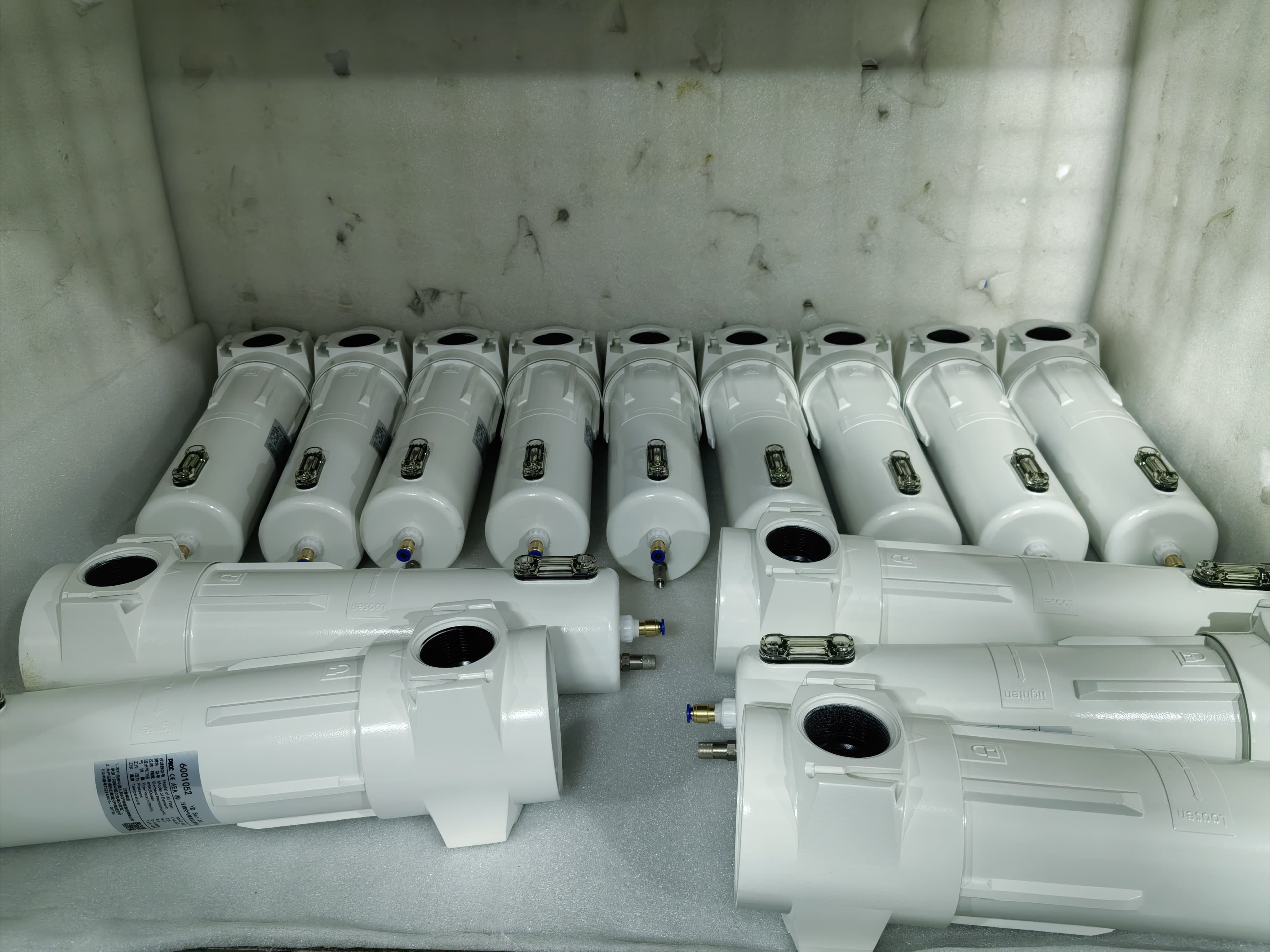
Selection of compressed air filters
The pollutants in compressed air are firstly the inhaled atmospheric pollutants (80% of the diameter is <2μm), and secondly the compressor carryover (0.01 - 0.8μm aerosol).
General filtration can remove most particles with a diameter of >1μm. High-efficiency particulate filters coalescing filters are required to remove tiny solid particles and oil-water aerosols. The technology is complex and multiple mechanisms work together, mainly relying on direct interception, inertial impact, etc.
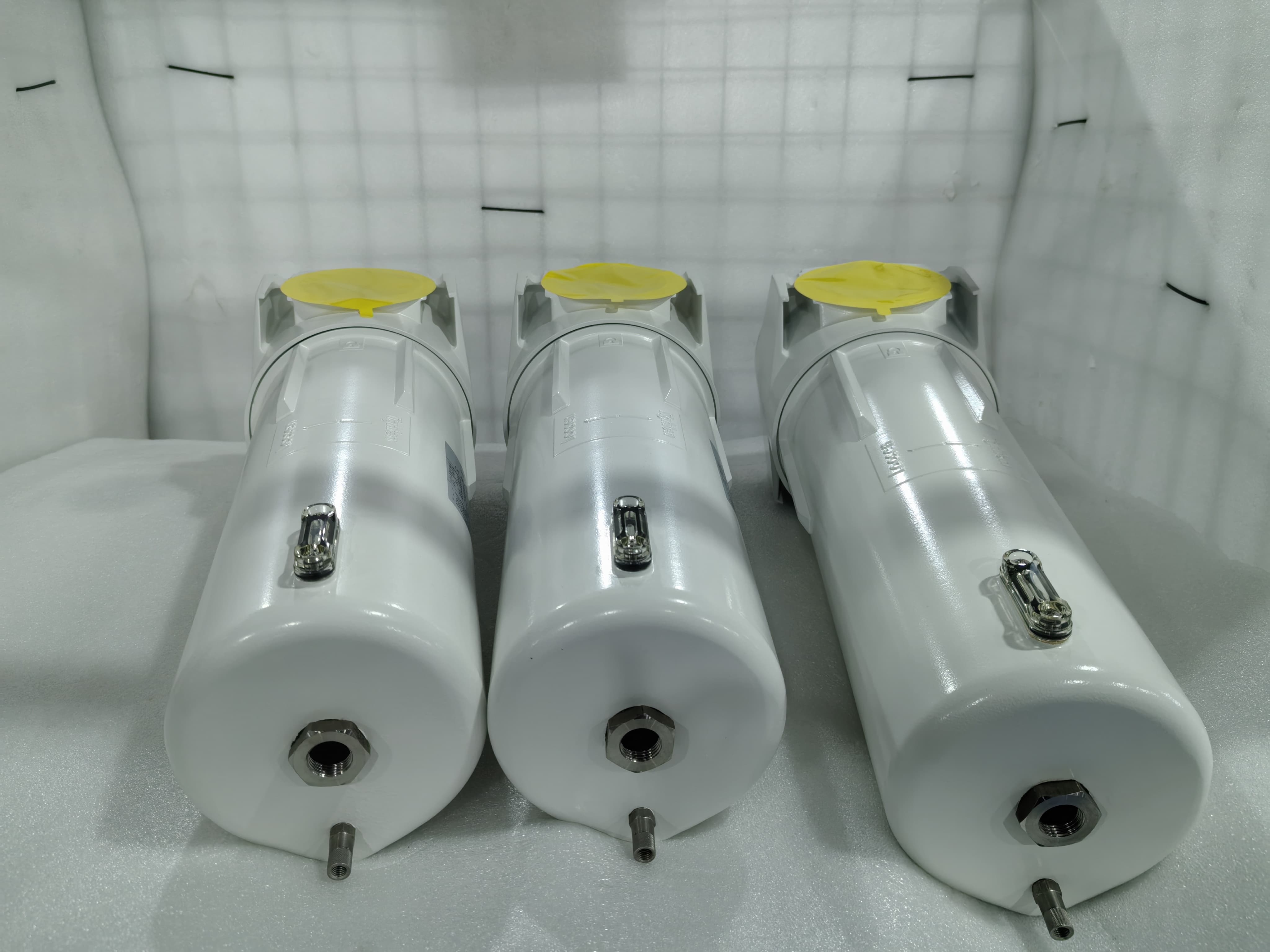
A good filtration device requires high filtration efficiency (≥99.99%), low resistance, a structure that can withstand pressure and good air tightness, and the Aluminum Air Filter material has mechanical strength, resistance to airflow impact, long life, and easy replacement and cleaning.