
Compressed air is currently the second largest source of energy in the world after electricity. A reliable,effient and cost-effective compressed air system is crucial for the reliability of the production process and the quality of the end product.
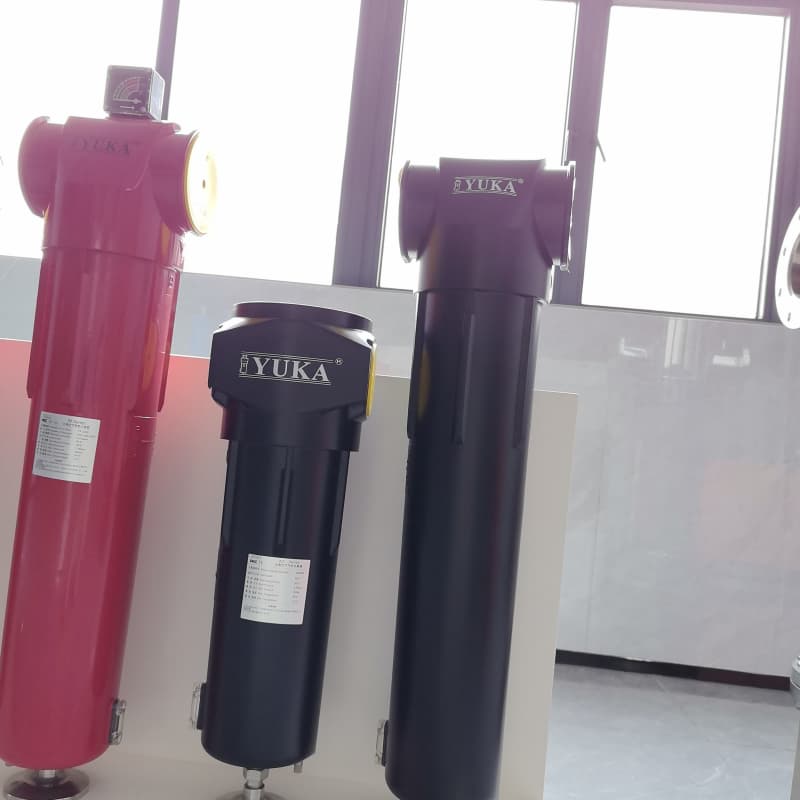
Problems Caused by Compressed Air Contamination
Contaminants in compressed air can build up within pneumatic equipment and in the compressed air system itself. Contamination in compressed air can cause significant problems for tools and equipment, product quality, worker health, and system efficiency. Appropriate inline filtration can help you avoid issues like these below.
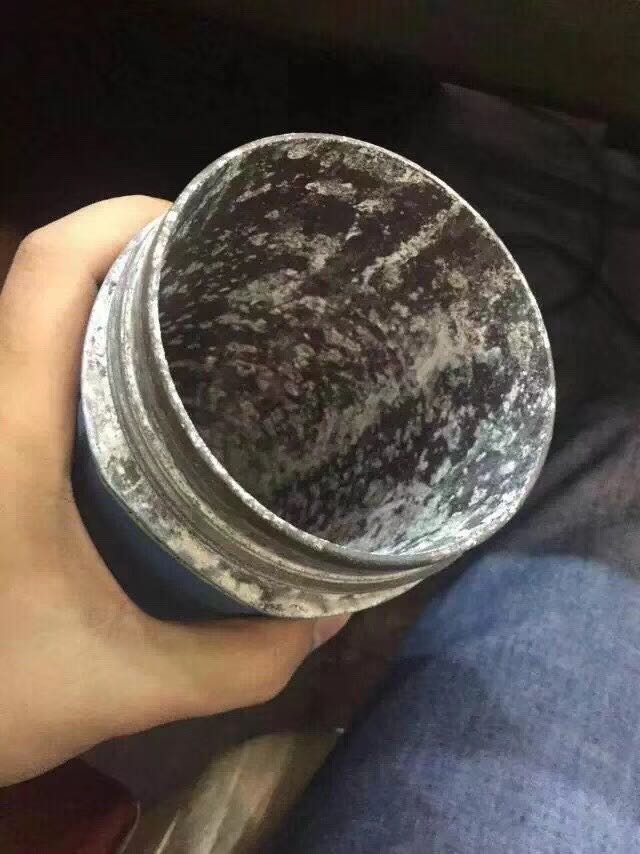
Equipment damage: Contaminants in the compressed air can cause abrasion, corrosion, or blockages in the system, leading to premature wear and tear or failure of equipment components. Dirty air can lead to early failure of valves, cylinders, and other moving parts in pneumatic equipment.
Reduced efficiency: Contaminated compressed air can result in inefficient performance of pneumatic tools and machinery, increasing energy consumption and operational costs. Contaminant buildup in compressed air piping will reduce the overall efficiency of the system.
Product contamination: In industries like food processing, pharmaceuticals, or electronics manufacturing, contaminated compressed air can lead to product contamination, affecting the quality and safety of the final product. Contamination in compressed air used in paint spray booths can cause bubbling and other quality issues with the coating.
Increased maintenance costs: The presence of contaminants in compressed air can necessitate more frequent maintenance and cleaning of equipment, driving up maintenance costs.
Downtime: Improper filtration can lead to equipment breakdowns and production delays, negatively impacting productivity and profitability.
Health and safety risks: Compressed air contaminated with oil, water, or particulates can pose health and safety risks to workers, potentially leading to respiratory issues or other illnesses.
Types of Inline Air Compressor Filters
The combination of air compressor filters you need will depend on the type of air compressor you have, the purity of air you require, and what you are trying to filter out.
Dry particulate filters, as their name implies, remove dust and particulate.
Coalescing filters remove both particulate and aerosolized liquids.
Adsorption filters remove gases, vapors, and odors.
particulate filters
Dry particulate filters remove dry particulate from the airstream. Dirt particles are trapped by the filter media through direct interception, inertial impact, or diffusion. Large particles are directly blocked by the fibers in the filter media. Smaller particles are intercepted as they move erratically through the media via Brownian motion (diffusion). These particles are held in the media through electrostatic attraction.
coalescing filters
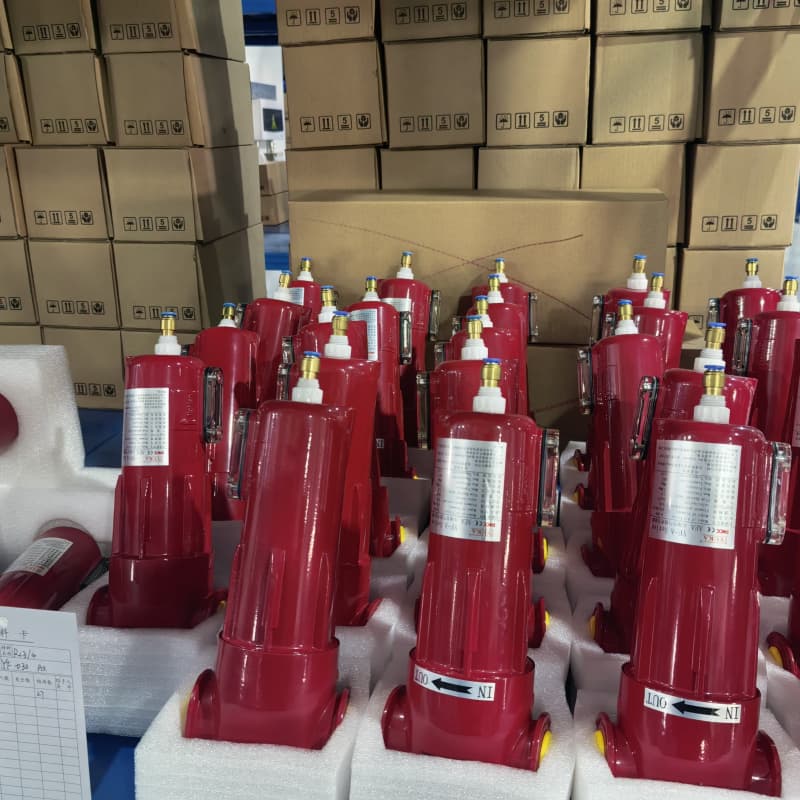
A coalescing filter is another type of air compressor filter. An oil coalescing air filter is a type of air line filter that removes both oil mists or oil vapors and dry particulates.
A coalescing filter works by trapping mists and aerosols in layers of fine mesh. Aerosolized oil particles and water droplets collect on the surface of filter media and coalesce into larger and larger droplets until they are heavy enough to fall. The liquid is collected at the bottom of the filter and drained away. Fine particulates fall out with the liquid, while coarser particles remain trapped in the filter media.
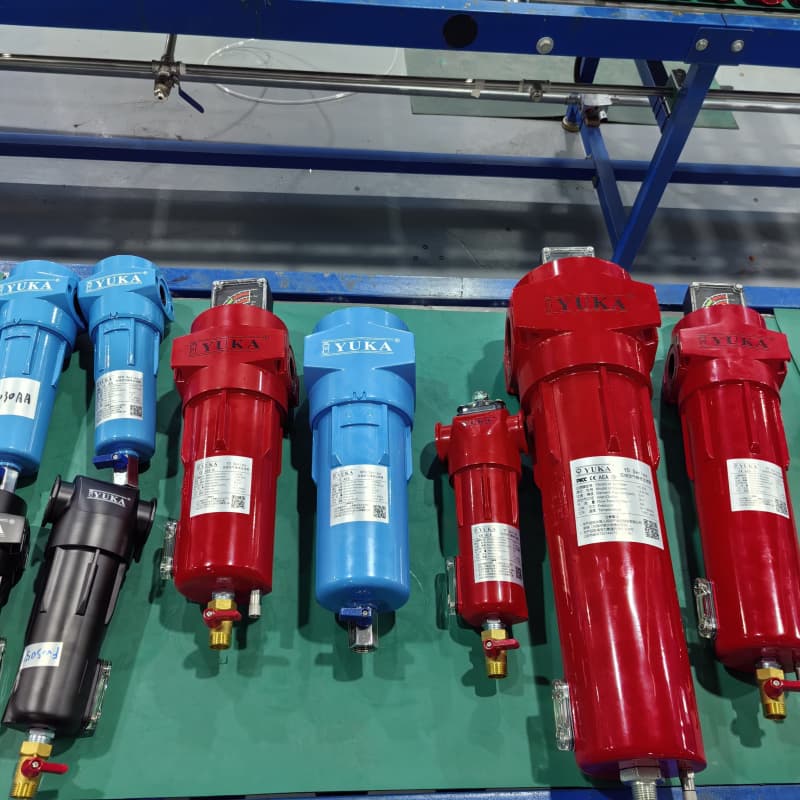
Coalescing Air Filter provide superior filtration for both particulates and aerosols. They can remove aerosolized droplets and particles down to 0.01 microns and remaining oil to .003 PPM or lower. They may be used alone or in combination with other filters.
Adsorption Filters
An adsorption air compressor filter is used to trap vapors, gaseous contaminants, chemical fumes, and odors. These filters are used for high-purity applications that require the removal of trace gases and vapors along with sub-micron particulates. Activated carbon is the most common material used for adsorption.
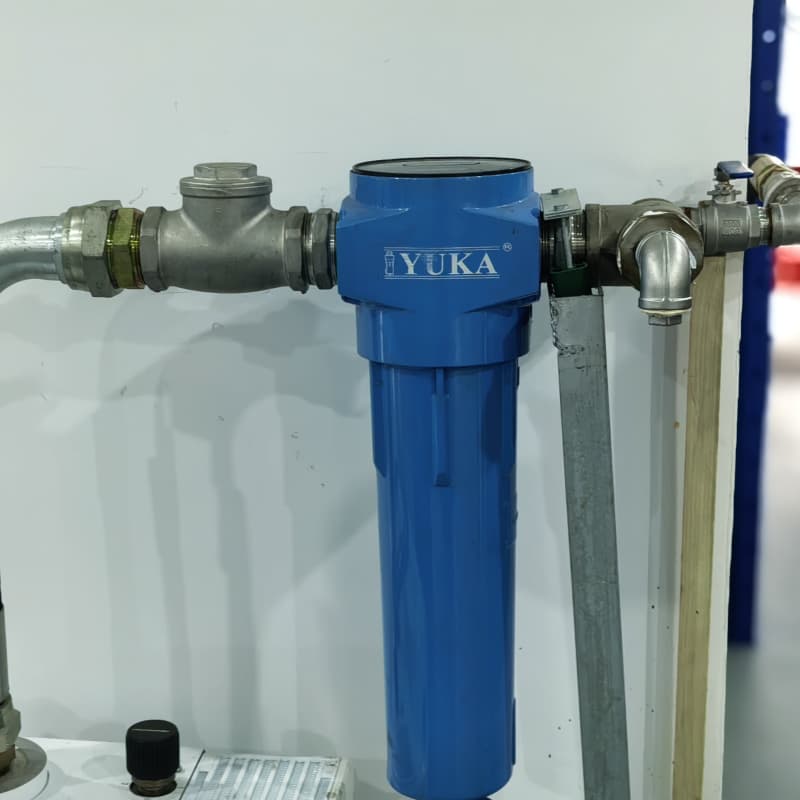
In adsorption technologies, molecules of a gas, liquid, or dissolved solid adhere to the surface of a material inside the filter cartridge. Adsorptive materials like activated carbon have millions of tiny micropores, which increase the available surface area for adhesion. Molecules bond to these surfaces and are trapped within the micropores.
An activated carbon inline filter can remove unwanted vapors, gases, and noxious odors from compressed air. It should be used in combination with a compressed air dryer (either a Refrigerated Air Dryers or adsorption dryer) and a coalescing filter to remove oil mists and dry particulate from the air before it hits the adsorption filter.